🇰🇷 You've Seen Seoul. Now See the Korea Tourists Don't Know. (2026)
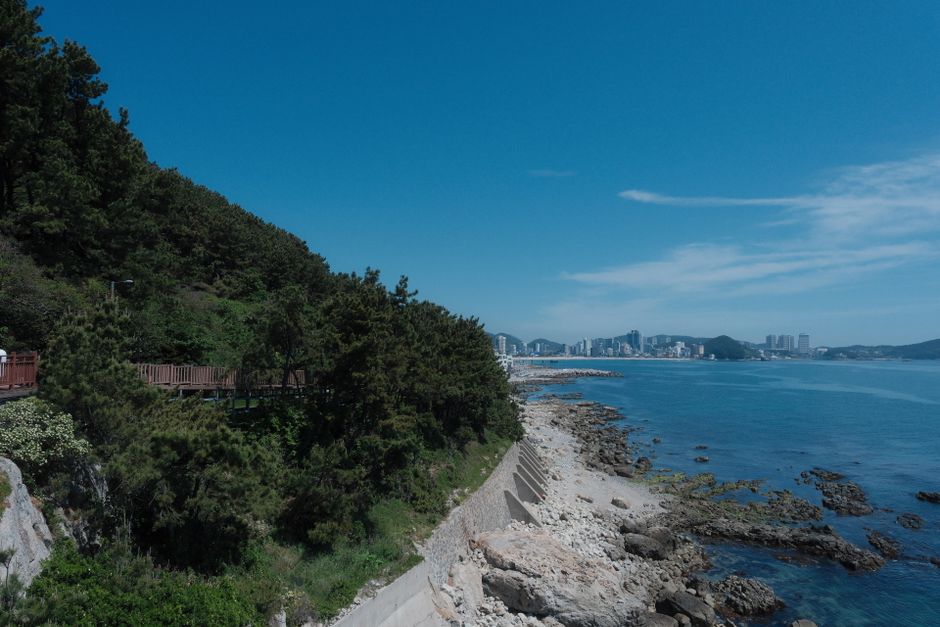
Every few weeks a friend visiting from abroad sends me their Korea itinerary to "double check." It's always the same shape: five or six days, every single one of them in Seoul. Gyeongbokgung, Myeongdong, Hongdae, maybe a DMZ tour if they're feeling adventurous. And every time, I type the same reply: "This is a great Seoul trip. It's not really a Korea trip."
I don't say that to be a snob about it — Seoul is genuinely great and I love living here. But when I look at where Korean people actually go on their own long weekends, it's almost never just more Seoul. It's a 2-hour KTX ride to somewhere that doesn't look, sound, or taste like the capital at all. Here's where that train is actually headed, and why the numbers back up what I've been noticing anecdotally for a while now.
📊 This Isn't Just a Vibe — the Data Backs It Up
I went and checked the actual 2026 numbers before writing this, because "trust me, locals go elsewhere" isn't much of an argument on its own.
- Busan pulled in about 1.94 million foreign visitors between January and May 2026 alone — a 40% jump year-over-year — and the city is targeting over 5 million for the full year. Foreign visitor spending there hit ₩454.4 billion (~$307 million) in that same stretch, second only to Seoul nationwide.
- North Gyeongsang Province, home to Gyeongju, saw foreign visitor numbers climb 21% from January to November 2025, with the APEC 2025 summit putting the city on a lot of travelers' radars for the first time.
- Jeju posted a 17.5% rise in foreign visitors in 2025, and by Q3 was pulling in over 10% of all of Korea's inbound foreign tourism on its own — a solid chunk for an island with no land border to anyone.
💡 Pro tip: none of this means Seoul is losing tourists — arrivals to the whole country are at record highs. It just means more people are finally splitting their trip instead of parking themselves in one neighborhood for a week.
🚄 Busan (부산) — Closer Than Your Flight Layover
The KTX from Seoul Station to Busan takes about 2 hours 15 minutes to 2 hours 40 minutes depending on the train, and fares generally run somewhere in the ₩40,000–₩60,000 range (~$29–$44) one-way if you book close to departure — often noticeably less if you book a few days ahead through the Korail app. That's shorter than a lot of domestic flights people casually hop on back home, minus the airport hassle on either end.
What actually surprises first-timers isn't the beach (Haeundae gets plenty of press already) — it's how different the pace feels. Busan people joke that Seoul is where you go to work and Busan is where you go to actually live, and after a few visits I get what they mean. The seafood markets run on their own clock, nobody's in a rush, and the hills mean you're constantly getting an ocean view you didn't expect.
🏯 Gyeongju(경주) — The Comeback City Locals Are Talking About Again
Gyeongju (경주) used to get filed under "school field trip" in a lot of Koreans' heads — everyone goes once around age 10 to see the royal tombs and forgets about it. The APEC 2025 summit changed that conversation more than I expected; the city got a genuine infrastructure and image refresh, and I've noticed more Korean friends in their 20s and 30s actively choosing it for weekend trips rather than just remembering it fondly from a school bus.
The KTX-Gyeongju connection (via Singyeongju Station) runs a little over 2 hours from Seoul, and unlike most Korean cities, the historic sites here aren't fenced off in one district — ancient burial mounds just exist in the middle of regular neighborhoods, which is a genuinely strange and wonderful thing to walk past on your way to get coffee.
☕ Gangneung(강릉) — Seoul's Actual Weekend Escape
If you want to know where Seoulites go when they just need out of the city, it's usually Gangneung (강릉). Since the KTX line to the east coast opened, what used to be a 3-plus hour drive became a roughly 2-hour train ride, and Gangneung quietly turned into the coffee-and-coastline weekend trip for people who live here — Anmok Beach's coffee street has more independent roasters per block than most Seoul neighborhoods at this point.
⚠ Note: summer weekends get genuinely packed with domestic tourists, so if you're chasing a quiet beach walk, a weekday visit makes a real difference here.
🍚 Jeonju(전주)— Already Got the Full Writeup
I've already gone deep on Jeonju (전주) in a separate post — the hanok village, the bibimbap origin story, the late-night makgeolli alley — so I won't repeat myself here. If Korea's food culture outside Seoul interests you at all, that one's worth a read before you plan a trip there.
🌴 Jeju(제주) — Technically Korea, Feels Like Somewhere Else Entirely
Jeju is the one city on this list that doesn't need much convincing — it's already the honeymoon and babymoon default for Korean couples, and increasingly for international visitors too, which is part of why its share of national foreign tourism has been climbing steadily. What I'd actually flag is that it's a flight, not a train — Gimpo to Jeju takes about an hour — so it needs its own dedicated 2-3 days rather than being squeezed in as a day trip like the other four cities here.
💡 Pro tip: if you're navigating any of these cities once you arrive, don't rely on Google Maps the way you would at home — it genuinely doesn't work properly in Korea, and that's just as true in Busan or Gangneung as it is in Seoul.
None of this means skip Seoul — it means don't let Seoul be the whole trip. Pick one city from this list, block out a night or two, and you'll come home with a version of Korea that most first-time visitors never actually see.
Enjoy~
Photo by Rüveyda Akkaya on Pexels.

Comments
Post a Comment