🇰🇷 My Group Chat Fight Every Time Someone Visits: eSIM or Physical SIM in Korea? (2026)
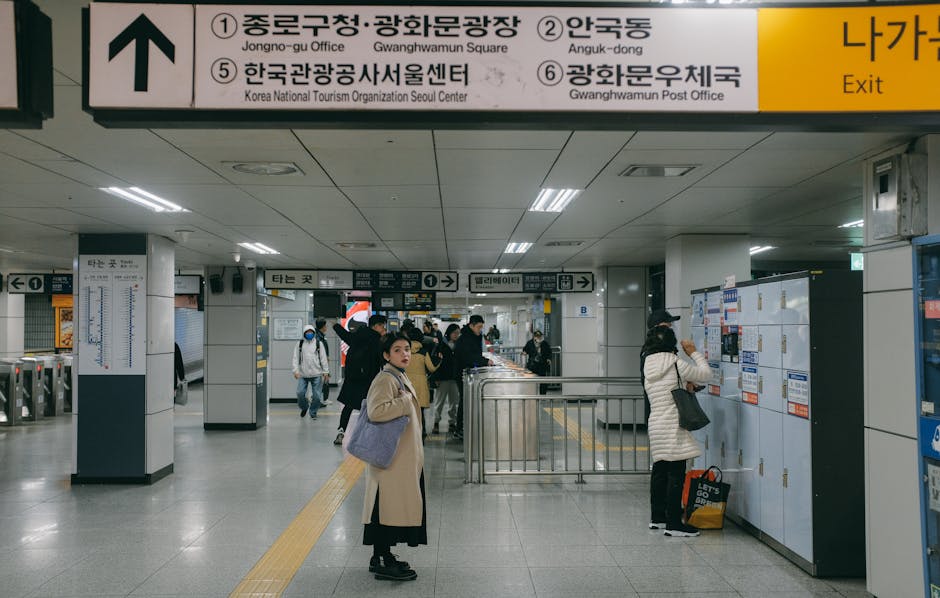
Every single time a friend books a flight to see me in Korea, the group chat turns into the same argument about 48 hours before they land: eSIM or physical SIM? I've now watched enough people get this wrong in real time — standing in the Incheon arrivals hall, phone held up like a divining rod, no bars — that I finally wrote down what I actually tell them.
It's not really a tech question. It's a "how much do you want to deal with at 11pm after a 13-hour flight" question.
📱 The difference that actually matters (not the spec sheet one)
A physical SIM (유심, "USIM" here) is a tiny plastic card a staff member swaps into your phone at an airport counter or a shop in Myeongdong. An eSIM (이심) is a digital profile you install by scanning a QR code — no counter, no queue, no plastic to lose.
The part nobody explains well: eSIM only works if your phone is unlocked and was made after roughly 2019. I've had two separate friends land with older US carrier phones that turned out to be SIM-locked, which they only discovered after their eSIM order had already been paid for and couldn't scan in. Check this before you leave home, not in the taxi line.
💰 What each one actually costs
Prices move around by vendor, but here's the honest range I've seen quoted this year:
- eSIM (data-only): roughly 💰 ₩10,000–20,000 (~$8–15) for 5 days, up to 💰 ₩45,000–70,000 (~$35–55) for a full month.
- Physical tourist SIM: roughly 💰 ₩15,000–30,000 (~$11–23) for a week, scaling up to 💰 ₩70,000–120,000 (~$55–90) for a month.
- Pocket WiFi rental: 💰 ₩3,000–12,000 (~$2–9) per day if you're traveling as a group and want to split one connection.
💡 Pro tip: eSIM is usually cheaper per day for solo trips under two weeks. Physical SIM starts winning if you actually need a working Korean phone number, because most eSIM plans are data-only.
🗺️ Do you even need a Korean phone number?
Honestly? Less often than people assume. I've had visitors buy the pricier SIM-with-number plan "just in case" and never once get a call. KakaoTalk, Naver Map, and Papago all run fine on data alone.
Where a real Korean number actually bites you: some restaurant reservation systems text a verification code before confirming your table, and a couple of delivery apps won't let you check out without one. If your whole trip is museums, cafés, and wandering — skip it. If you're planning to book a popular restaurant online or use a delivery app from your hotel, a number earns its keep.
⚠️ The mistake I watch people make every single time
They wait to activate the eSIM until they've already landed and are trying to find WiFi to download it. Activate it before you leave your house — most providers let you install the profile days in advance and it just sits there dormant until you land and switch it on. Land, flip airplane mode off, done. No searching for terminal WiFi with a dead phone battery and jet lag.
The second mistake is dual-SIM confusion: if you want to keep your home number reachable for texts while using a Korean SIM for data, you need a phone that actually supports two active SIMs (physical + eSIM, or two eSIMs). Some phones sold locked to a home carrier only allow one active line, and people don't find this out until they're trying to swap and it just won't let them.
🚇 One thing I only found out by accident
If you go with a physical SIM from certain kiosks, the card can double as your T-money transit card — same piece of plastic taps you through the subway gates and gives you data. It's the closest thing to a cheat code I've seen for a first trip, since it collapses two errands into one counter visit.
⚠️ Note: Coverage in cities is basically identical across carriers, but if you're heading to Jeju or anywhere rural, a couple of my friends who work in telecom say SK Telecom edges out the others outside Seoul. Not something that matters if you're staying in the capital, but worth knowing if your itinerary includes islands or mountains.
🧭 So which one do I actually tell people to get?
For a first trip that's mostly Seoul, mostly under two weeks, and doesn't involve online restaurant bookings: eSIM, activated before you fly, data-only. It's the option that requires zero interaction with anyone at the airport, which after a long flight is worth more than the few dollars you might save elsewhere. Once your navigation apps and ordering kiosks are the two things standing between you and dinner, you want the connection question already solved before you land.
Whichever you pick, just don't leave the decision for the taxi queue — future you, standing under the arrivals board with 4% battery, will thank present you.
Photo by Huy Phan on Pexels.

Comments
Post a Comment